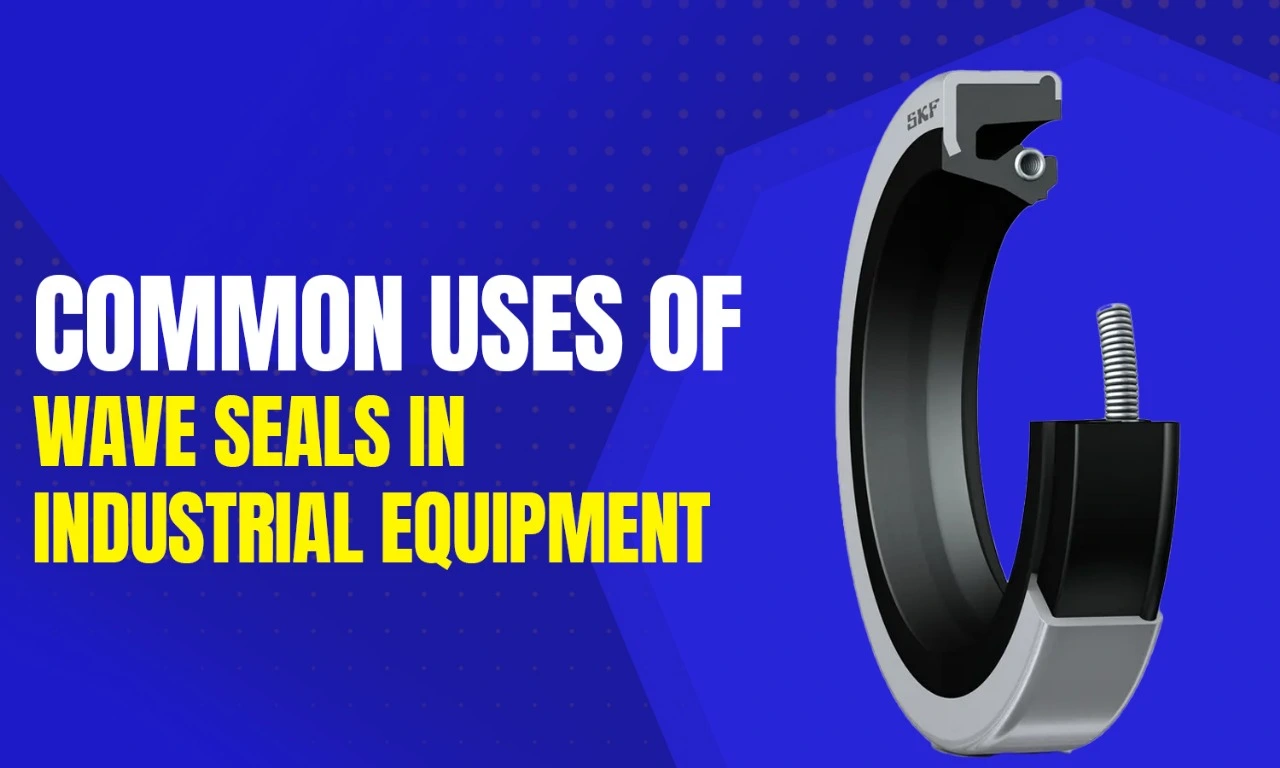
PTFE, Also Known as Teflon, Is One of the Most Trusted Materials in Modern Industries. Its Unique Characteristics Help It Perform Under Conditions Where Other Materials Fail. In This Blog, We’ll Break Down the Top PTFE material Properties That Explain Why It Remains a Popular Choice for Industrial Applications Across the World.

1. PTFE’s Strong Chemical Resistance
One of the Most Valued PTFE material Properties Is Its Excellent Chemical Resistance. PTFE Chemical Resistance Ensures the Material Stays Stable When Exposed to Acids, Alkalies, Solvents, and Corrosive Chemicals.
This Makes PTFE chemical Compatibility Essential for Industries Like Chemical Processing, Pharmaceuticals, and Oil & Gas.
2. Excellent Thermal Stability for Extreme Conditions
Among PTFE Material Properties, Thermal Stability Is a Key Reason for Its Use in High-Temperature Environments. Teflon Thermal Stability Allows PTFE to Operate Continuously Between -200°C and +260°C Without Losing Shape or Function.
This Property Supports Its Use in Equipment Where Heat Tolerance Is Critical.
3. Ultra-Low Friction Surface
Another of the Important PTFE material Properties Is Its Low Friction. Often called the Friction Plastic, PTFE reduces Wear Between Moving Parts, Improving Equipment Life.
Industries Use PTFE in Seals, Bushings, and Liners to Ensure Smooth Operations With Minimal Lubrication.
4. Superior Electrical Insulation Properties
The PTFE material Properties Also Include Excellent Electrical Insulation. PTFE maintains Low Conductivity and Stability Under Varying Temperatures, Making It Perfect for Insulators, Spacers, and Wire Coatings in Electronics.
Its Non-conductive Nature Is Critical for Sensitive Components.
5. Non-Stick & Easy to Maintain
PTFE is Globally Recognized as a Non-stick Material. Its Surface Naturally Prevents Substances From Adhering, Making Cleaning and Maintenance Much Easier.
This Non-stick Nature Is a Major Advantage in Packaging, Textile Industries, and Moving Mechanical Parts, Including Systems Used by Rubber Product Manufacturers, Where Residue Build-up Can Affect Production Quality.
6. Food-Grade and Non-Toxic
PTFE Material Properties Include Non-toxicity, Which Is Why Many Industries Use FDA-Approved PTFE in Food Processing and Pharmaceutical Machinery.
These PTFE parts Prevent Contamination, Resist Chemicals, and Are Safe for Direct Contact With Consumables.
7. Durable, UV & Weather Resistant
The Durability of PTFE extends Beyond Chemicals and Heat. It Resists UV Radiation, Weather Changes, and Outdoor Conditions.
PTFE Material Properties, Like Long Service Life and Environmental Resistance, Make It Ideal for Components Like Teflon Rods Used in Construction, Outdoor Machinery, and Infrastructure.
Frequently Asked Question
PTFE (Polytetrafluoroethylene) Is a Versatile Industrial Plastic Used for Its PTFE Material Properties Like Chemical Resistance, Low Friction, and Thermal Stability. Applications Include Seals, Gaskets, Insulation, and Bushings.
PTFE Chemical Resistance Makes It Perfect for Handling Aggressive Chemicals Without Corroding or Reacting, Making It Ideal for Pipes, Valves, and Seals.
No. PTFE Does Not Absorb Water or Moisture Due to Its Chemical Structure of PTFE, Maintaining Stability Even in Wet or Humid Conditions.
Key Takeaways
PTFE Material Properties Offer Strong Chemical and Heat Resistance.
PTFE acts as a low-friction plastic, Reducing Wear in Moving Parts.
PTFE is a Stick Material and Easy to Maintain.
FDA Approved PTFE Is Safe for Food and Pharma Use.
Teflon Rods Uses in Industries Include Seals, Guides, and Insulators.
Understanding PTFE Material Properties Helps Industries Select the Right Components for Demanding Environments. From Thermal Stability to Chemical Resistance, PTFE remains one of the Most Reliable Materials in Industrial Manufacturing. Deepee Rubber Supplies Teflon Rods, PTFE Rods, and Custom Parts Trusted by Leading Teflon Rod Manufacturers Across Sectors.